
In the realm of interior design, the perception of space is an art form that goes beyond mere dimensions and square footage. It involves a nuanced understanding of how elements such as color, light, and furniture arrangement can transform a room, creating an illusion of spaciousness that captivates the senses. At the heart of this art lies the principle of visual perception, which dictates how we interpret the space around us. By manipulating these visual cues, designers can craft environments that feel larger and more inviting than they physically are.
Color plays a pivotal role in altering space perception. Lighter hues such as whites, pastels, and soft neutrals are renowned for their ability to reflect light, thus opening up a room and making it appear more expansive. Conversely, darker shades tend to absorb light, which can make spaces feel more enclosed. Therefore, a strategic choice of color palette can significantly influence the perceived volume of a room.
Moreover, the arrangement and selection of furniture are crucial in maximizing perceived space. Opting for multi-functional furniture pieces, such as a sofa bed or a coffee table with storage, can free up floor space and add versatility. Additionally, keeping furniture to a minimum and ensuring it is proportionate to the room size helps maintain a sense of openness.
Lastly, the role of lighting cannot be understated. Natural light is a valuable asset, capable of making rooms feel airy and open. Where natural light is limited, the use of mirrors can enhance brightness by reflecting available light, making the space appear larger.
Understanding these elements not only helps in creating aesthetically pleasing environments but also supports homeowners in achieving their spatial goals. For more tips on optimizing your living space, explore our product collection.
Utilizing Light and Color to Enhance Room Size
Creating the illusion of a larger space through the clever use of light and color is both an art and a science. Whether your goal is to make a compact apartment feel more spacious or to open up a cozy corner in your home, strategic choices in lighting and color can transform a room’s perceived size dramatically.
Light: The Illuminating Factor
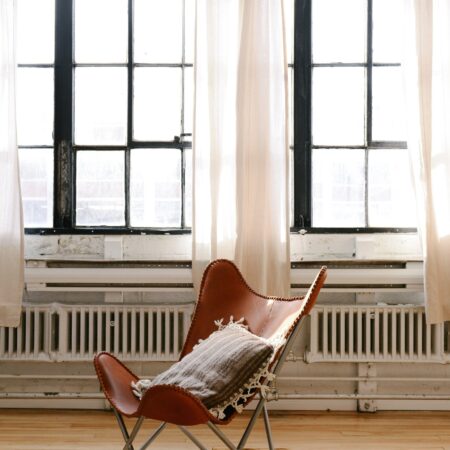
Light plays a pivotal role in shaping the atmosphere of a room. Natural light, in particular, can make a space feel airy and open. To maximize natural light, consider the placement of mirrors opposite windows, which reflect light and give the room a brighter, more expansive feel. Additionally, opting for sheer window treatments allows sunlight to filter in gently, bathing your interiors in soft, natural light.
Color: The Subtle Transformer
Color is another powerful tool in the arsenal of space illusion. Light colors such as whites, pastels, and soft neutrals can make a room appear larger as they reflect more light than dark shades. Painting walls and ceilings in such hues creates a seamless flow that visually expands the space. For those who prefer a bolder palette, consider accent walls in contrasting colors to add depth without compromising on openness.
Combining Light and Color for Maximum Impact
When light and color harmonize, they can significantly alter the perception of room size. For instance, combining a light blue wall with warm white lighting can create a serene and spacious ambiance, perfect for relaxation. While it’s important to tailor these elements to your personal taste, the overall goal remains the same: to enhance the room’s size through thoughtful design choices.
For more insights on optimizing your space, explore our product collection and discover innovative solutions tailored to your needs.
Furniture Arrangement Tips for Maximum Space Efficiency
Arranging furniture in a way that maximizes space efficiency can transform even the smallest of rooms into a more open and inviting area. The key is to strategically position pieces to create a flow that enhances the room’s functionality and aesthetic appeal. Here are some expert tips to help you achieve this:
Embrace Multi-Functional Furniture
Investing in multi-functional furniture can save space and enhance usability. Consider ottomans with storage, foldable tables, or sofa beds that serve dual purposes. These pieces not only conserve space but also add value by offering additional functionality without cluttering the room.
Prioritize Traffic Flow
Ensure there is ample space to move around by arranging furniture in a way that facilitates easy navigation. Avoid blocking walkways with large furniture pieces, and leave gaps between furniture and walls to create the illusion of more space. This not only improves accessibility but also enhances the room’s spaciousness visually.
Utilize Vertical Space
Make the most of vertical space by incorporating tall shelves or cabinets. This draws the eye upward, giving the impression of higher ceilings and more room. Use wall-mounted shelves to keep the floor clear, maintaining a minimalistic and open environment.
Choose Light and Neutral Colors
Opt for furniture in light, neutral colors to create a sense of openness. Dark hues tend to absorb light and can make a space feel confined. Light-colored furniture reflects light, making rooms appear larger and more airy.
By thoughtfully arranging your furniture, you can maximize space efficiency and transform your home into a sanctuary of comfort and style. Visit our shop page for products and more.
Incorporating Mirrors and Reflective Surfaces Strategically
Mirrors and reflective surfaces serve as more than just decorative elements in your interior design; they are powerful tools that can transform and enhance the perception of space within a room. When strategically placed, mirrors can create the illusion of a larger, more open area by reflecting light and scenery, effectively doubling the visual space.
Understanding the principles of light reflection is key. Mirrors positioned opposite windows can maximize natural light by bouncing it across the room, thereby brightening up darker corners and expanding the room’s perceived boundaries. Similarly, placing mirrors adjacent to light sources, such as lamps or chandeliers, can amplify the light, creating a warm and inviting atmosphere.
Reflective surfaces, including glossy tiles or metallic finishes on furniture, can also contribute to this effect. These surfaces catch light and reflect it throughout the space, adding layers of depth and dimension. For instance, a well-placed mirrored backsplash in the kitchen can make the cooking area feel more spacious, while mirrored furniture pieces like coffee tables or cabinets can add elegance without overwhelming the room.
For those looking to experiment with bold design choices, consider using oversized mirrors as statement pieces. Large, decorative mirrors can serve as focal points, drawing the eye and adding a touch of drama to your décor.
Incorporating mirrors and reflective surfaces requires a thoughtful approach to ensure harmony with the existing design elements. However, with careful planning, they can be a transformative addition to any room. Explore our product collection for more design inspirations and solutions to maximize your living space.
Decluttering and Minimalism for a Spacious Feel
Creating a spacious atmosphere in your home doesn’t require a complete overhaul. Instead, it focuses on the subtle yet transformative power of decluttering and embracing minimalism. The essence of minimalism is to eliminate the unnecessary, allowing your space to breathe and shine in its simplicity. This approach not only enhances the aesthetic appeal but also fosters a sense of tranquility and openness.
Start by tackling visible clutter. This includes clearing countertops, organizing shelves, and storing away items that do not serve an immediate purpose. By reducing visual noise, you create a cleaner, more organized environment that naturally feels larger. Consider multi-functional furniture pieces that offer storage solutions, such as ottomans or beds with built-in drawers, to maintain order without sacrificing style.
Minimalism goes beyond mere decluttering; it’s about being intentional with the items you choose to keep. Select pieces that add value or joy to your life, and let go of those that don’t. This mindful curation not only maximizes space but also allows your personal style to emerge more clearly, creating a home that feels uniquely yours.
Embrace the power of negative space — the empty areas on your walls and floors — as they contribute to the perception of a larger room. Allowing space between your furniture and walls, and keeping pathways clear, can drastically alter how a room is perceived.
For those eager to discover more ways to transform their living space, explore our product collection for innovative storage solutions and stylish minimalist decor. Redefine your home’s potential through thoughtful design choices that harmonize functionality with elegance.


0 Comments